Repair of Roofing: Expert Guide
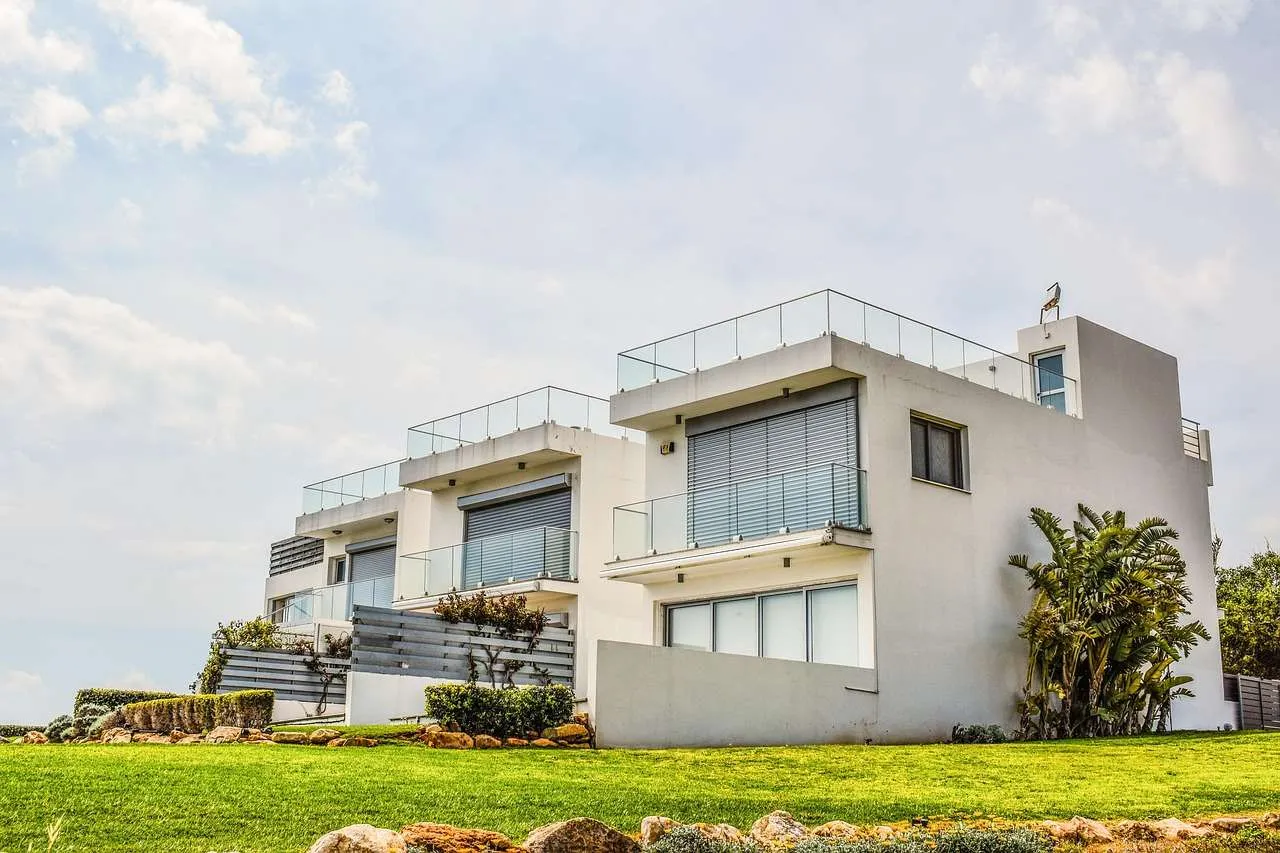
Repair of roofing is a crucial home maintenance task that protects your structure, comfort, and value. This guide provides practical steps, safety considerations, and professional tips to help homeowners understand when to repair, how to assess damage, and how to work with qualified roofing contractors in line with EEAT: Expertise, Experience, Authority, and Trust.
What causes roof damage
- Weather extremes such as heavy rain, snow, hail, and high winds.
- Aging materials and normal wear over time.
- Improper installation or past shoddy repairs.
- Biological growth like moss or algae that can degrade shingles.
Recognizing when repairs are needed
Common signs include missing or curling shingles, granule loss in gutters, leaks in living spaces, water stains on ceilings, damp attic insulation, and daylight visible through attic rafters. Addressing these early can prevent costly damage.
The repair process: inspect, decide, repair
The safest and most accurate approach starts with a professional roof inspection. A qualified roofer will check for underlying damage beyond surface issues, including underlayment, decking, flashing, and ventilation. Documentation with photos helps track issues over time.
Inspection steps
- Exterior inspection from ground level and, if safe, from the roof.
- Check around flashings, chimneys, vents, and skylights for gaps or corrosion.
- Assess decking and underlayment for rot or soft spots.
- Evaluate gutters, drainage, and downspouts for proper flow.
Based on findings, repairs can range from spot patching to partial replacements of shingles or flashing, to resealing critical joints or replacing damaged underlayment. In some cases, temporary tarping may be used to prevent leaks during bad weather.
DIY vs professional repair
Light maintenance such as debris removal, gutter cleaning, and minor sealant touchups can be done by homeowners. Most roof repairs, however, require climbing on a roof and working near edges and power lines. For safety, structural integrity, and code compliance, hire a licensed contractor with proper insurance and warranties.
Cost considerations and budgeting
Repair costs depend on materials, scope, accessibility, and local labor rates. Minor repairs (patches and resealing) often cost a few hundred dollars, while more extensive fixes can run into several thousand. Always obtain multiple written estimates and verify warranties and guarantees.
| Repair Option | Typical Lifespan | Cost Range | Pros | Cons |
|---|---|---|---|---|
| Spot repair / patch | 5–15 years | 150–1000 | Low cost, quick fix | May not address underlying damage |
| Partial repair (shingles/flashing) | 10–20 years | 1000–4000 | Addresses localized issues | May uncover more hidden damage |
| Roof coating or sealant | 5–10 years | 0.50–3 per sq ft | Seals leaks, extends life | Not suitable for all roof types |
| Full roof replacement | 20–40 years | 5000–15000+ | Long-term solution, energy savings | High upfront cost |
Choosing a roofing contractor
To ensure EEAT, vet the contractor carefully and verify credentials before work begins:
- Confirm licensing and insurance; request certificates of general liability and workers’ compensation.
- Review references and previous projects in your area.
- Get multiple written estimates with a clear scope of work and materials list.
- Ask about manufacturer certifications and product warranties.
- Ensure a clear safety plan, site protection, and cleanup commitments.
Preventive maintenance and longevity
Regular maintenance pays off by slowing the progression of wear. Schedule annual inspections, keep gutters clean, trim overhanging branches, and address minor issues promptly. Consider routine air vent checks to maintain attic ventilation and reduce moisture buildup.
Summary: Repair of roofing requires timely detection, professional assessment, and reliable workmanship. By understanding common causes, recognizing early signs, evaluating contractor credentials, and budgeting for maintenance, homeowners protect their home, extend roof life, and preserve value.