Bathroom Decor Ideas to Transform Your Space
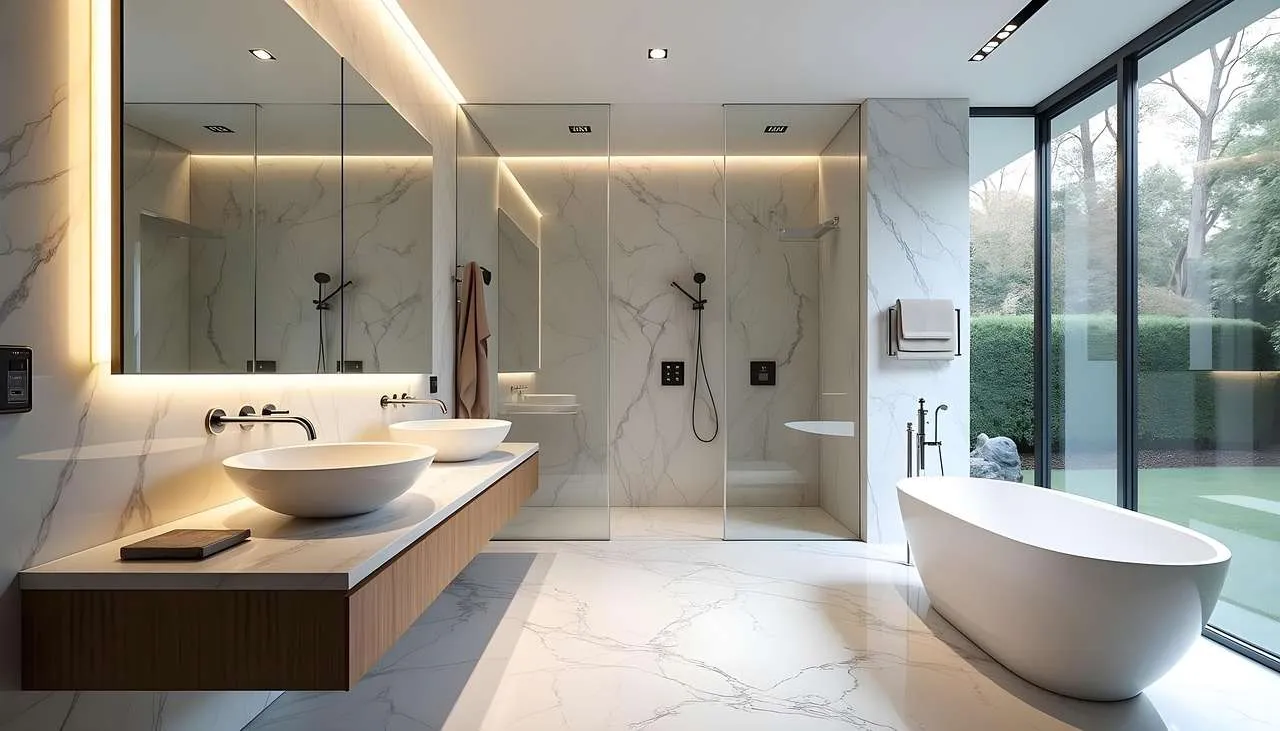
Creating a bathroom that feels calm, functional, and stylish starts with understanding the core ideas behind bathroom decor ideas. A thoughtful approach blends color, texture, lighting, and storage to create a space that supports daily routines while feeling serene. Industry designers emphasize moisture resistance, ventilation, and durable finishes to ensure longevity, making this guide a practical blueprint for real rooms.
Key principles to guide your bathroom decor ideas
First, prioritize moisture resistance and durability. Bathrooms contend with humidity and temperature swings, so choose materials like ceramic tile, porcelain, quartz, and solid surface counters that cleanse easily and resist staining. Pair these with finishes that withstand humidity, such as matte nickel or brushed brass hardware. Next, map a color strategy that can anchor the space. Neutral bases with strategic pops of color create flexibility as trends shift, while layering textures adds warmth and depth even in small rooms. Finally, plan for light. A layered approach with ambient, task, and accent lighting makes the room versatile for morning routines and nighttime rituals.
Color palettes and materials
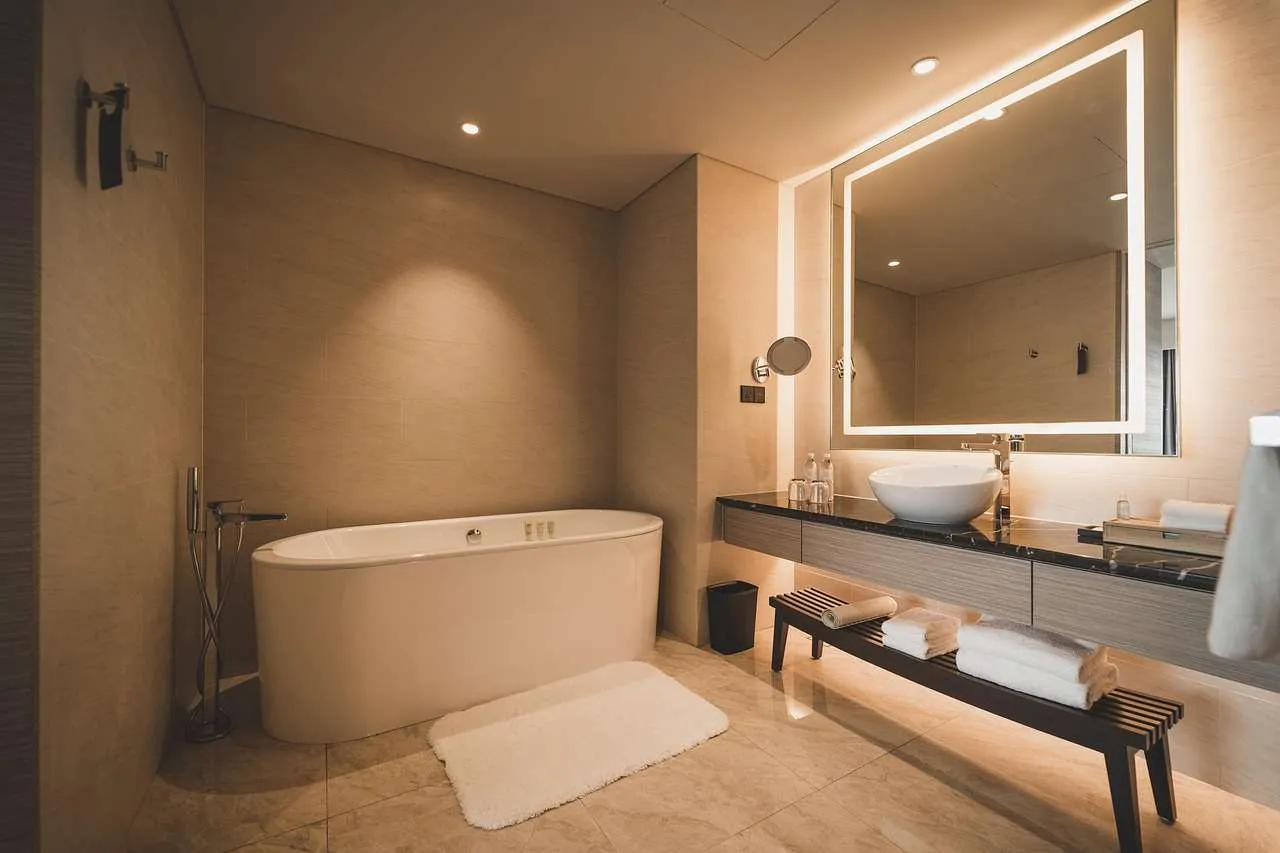
Soft neutrals such as warm whites, taupes, and greiges form a timeless base. Add texture with large-format porcelain or stone-look tiles, wood-look vinyl or porcelain planks, and tactile textiles like plush towels. For a pop of personality, introduce accent colors through accessories and glass shower enclosures rather than repainting walls every season. If space allows, a dark statement vanity or a bold tile pattern can serve as a focal point while keeping overall balance.
Durable fixtures and surfaces
Choose fixtures with durable finishes that resist fingerprints and water spots. Brushed nickel, matte black, or polished chrome provide different vibes and hold up well in bathrooms. For countertops, quartz and solid-surface materials offer easy maintenance, while acrylic tubs and showers simplify repairs if chips occur. Remember to select slip-resistant flooring for safety in wet areas.
Fixtures, storage and lighting
Storage is the backbone of a well decorated bathroom. Floating vanities create a sense of space, while recessed niches in the shower keep products organized and dry. Medicine cabinets or recessed mirrored panels add storage without crowding the room. Lighting should be layered: a central ceiling light for general illumination, vanity lighting at mirror height for tasks, and soft accent lights to highlight textures. The right lighting can make soap tones and tile shades appear warmer or cooler, affecting the perceived size of the room.
Design styles and ideas
Classic style leans on symmetry, clean lines, and timeless materials such as subway tile and white fixtures. Minimalist design emphasizes simplicity, with a restrained palette, hidden storage, and sleek hardware. Spa-inspired bathrooms focus on calm, natural textures, larger showers, diffused lighting, and natural tones like stone gray and sand. Rustic or coastal looks pair distressed wood, wicker baskets, and sea-inspired blues to add character while remaining practical in damp environments.
Small spaces and clever layouts
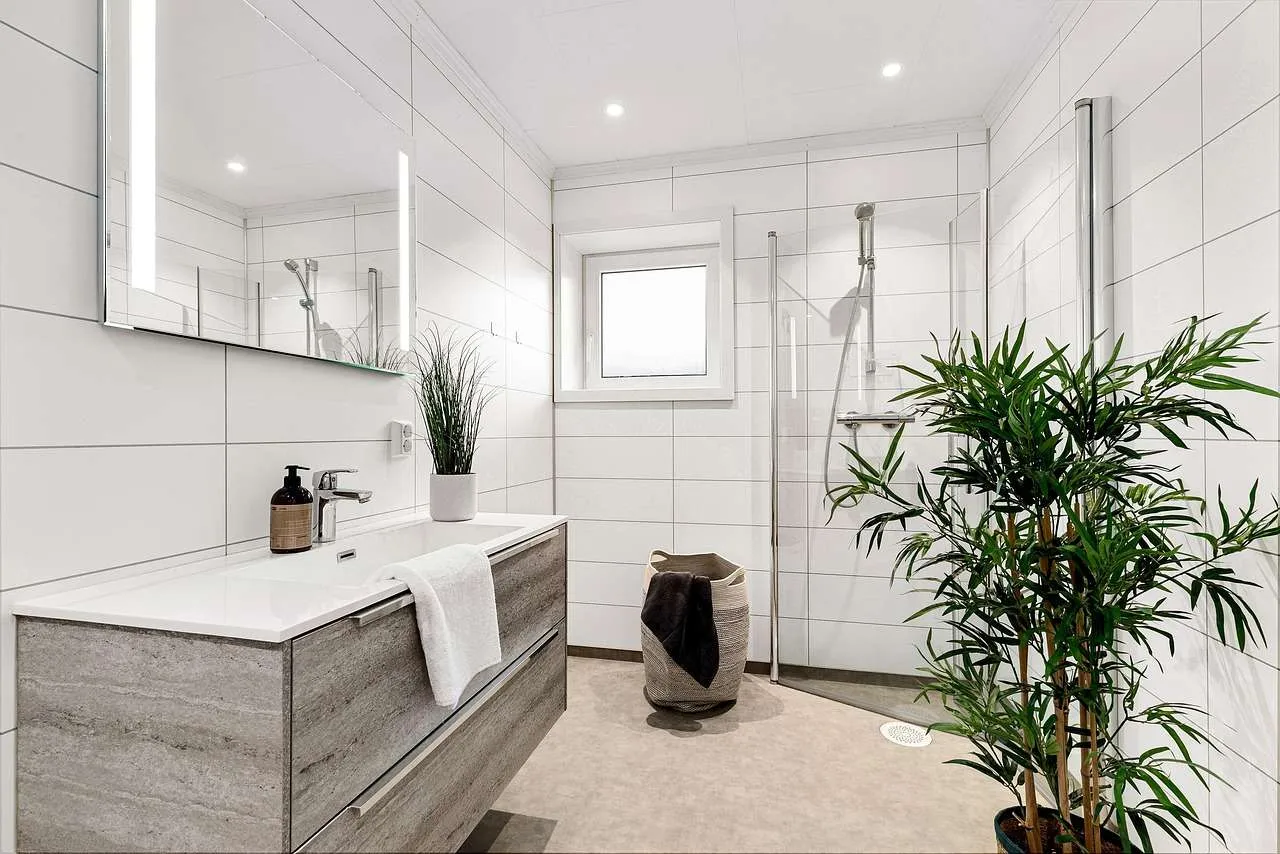
In compact bathrooms, scale matters. Choose a wall-mounted vanity to free floor space, oversized mirrors to reflect light, and a shower stall with a glass partition to visually expand the room. Light-reflective tiles, compact storage solutions, and a clear shower enclosure can make a tiny bathroom feel more open without sacrificing function.
Budgeting, maintenance, and care
Define a realistic budget by separating must-haves from nice-to-haves. Invest in durable fixtures and a quality vanity that endure daily use; allocate a smaller portion for decorative accents that can be updated over time. Maintenance-friendly materials save time and money; seal grout periodically, clean fittings with non-abrasive cleaners, and reseal surfaces as recommended by manufacturers.
Comparison and quick table
| Style | Key Elements | Pros | Cons |
|---|---|---|---|
| Classic | Neutral palette, subway tiles, timeless fixtures | Resale friendly, versatile | May feel formal if overdone |
| Minimalist | Clean lines, hidden storage, muted tones | Spacious feel, easy to maintain | Less personality if over-simplified |
| Spa-inspired | Natural textures, soft lighting, generous showers | Relaxing retreat vibes | Higher upfront costs |
| Rustic | Warm woods, stone accents, earthy palette | Cozy and durable | Moisture management more critical |
To implement these ideas, start with a mood board that combines color chips, tile samples, and hardware finishes. Measure your space, plan the ventilation and moisture barriers, and stage the project in phases if needed. When choosing vendors, seek portfolios that demonstrate consistent finishes and functional bathrooms, which strengthens trust and confidence in the result.
Conclusion, this guide summarized key bathroom decor ideas: choose moisture-resistant materials, layered lighting, and smart storage; use a cohesive palette and durable fixtures to achieve a stylish, lasting bathroom.